Two Entries and Four Practices: Bringing Chan into Everyday Life
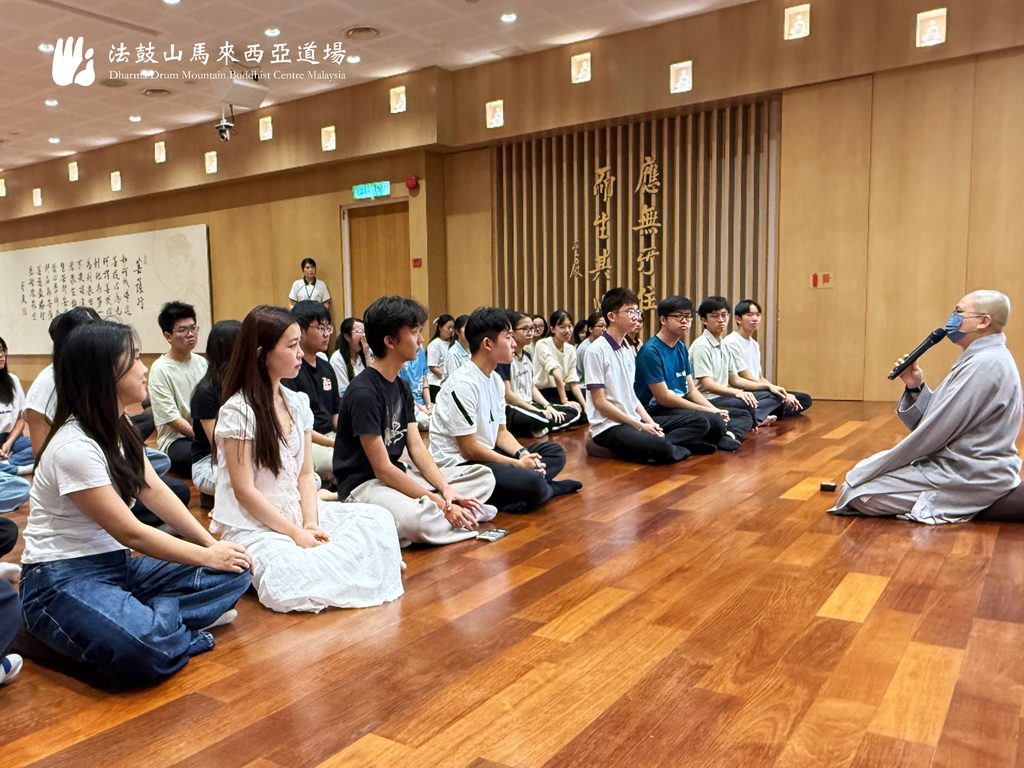
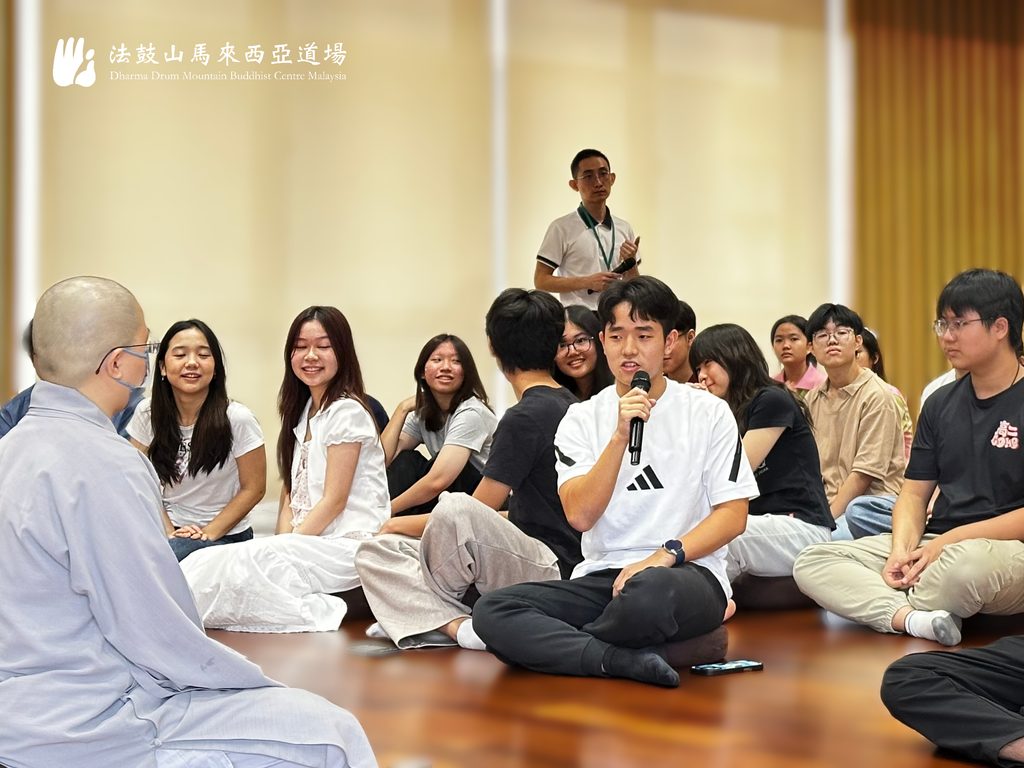
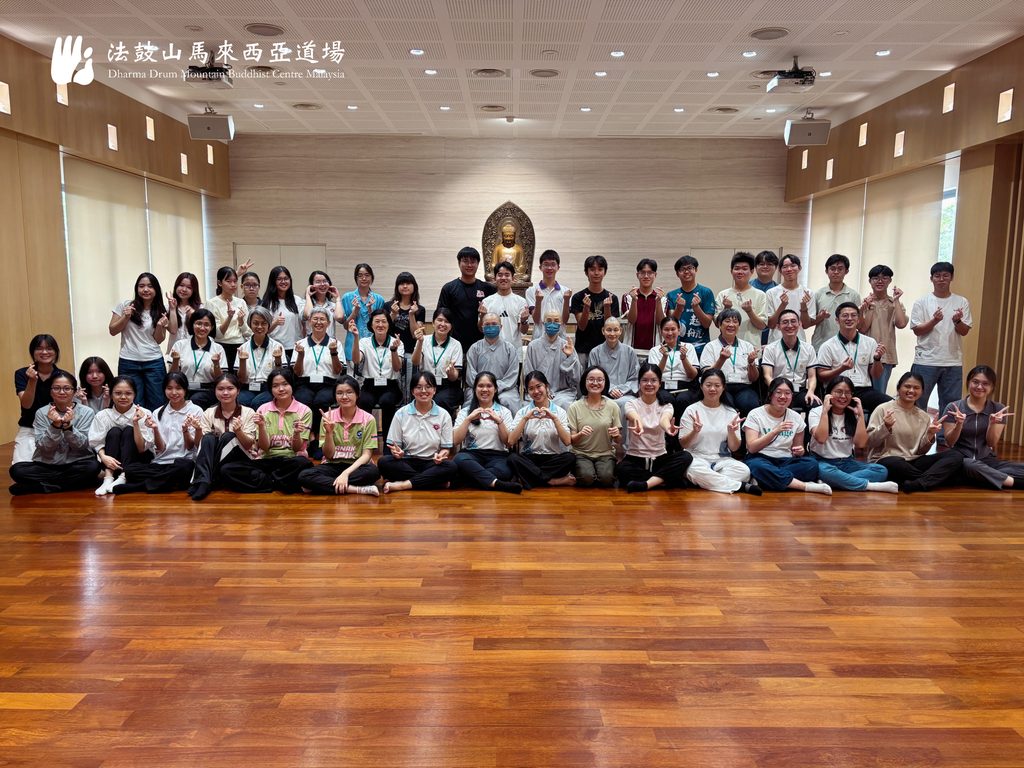
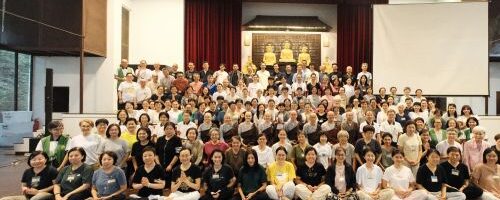
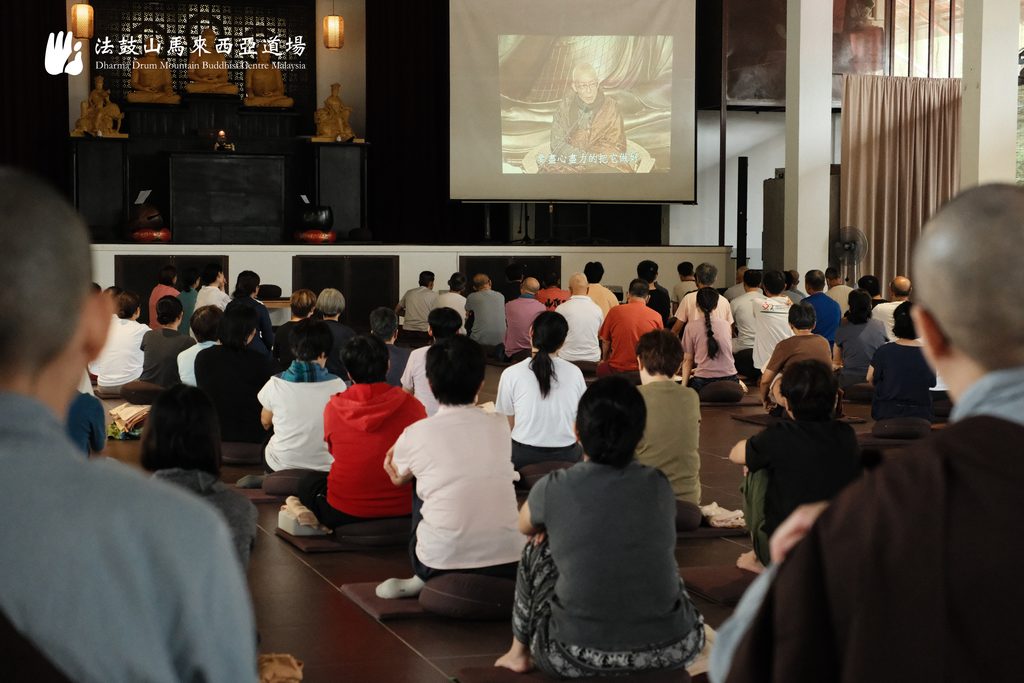
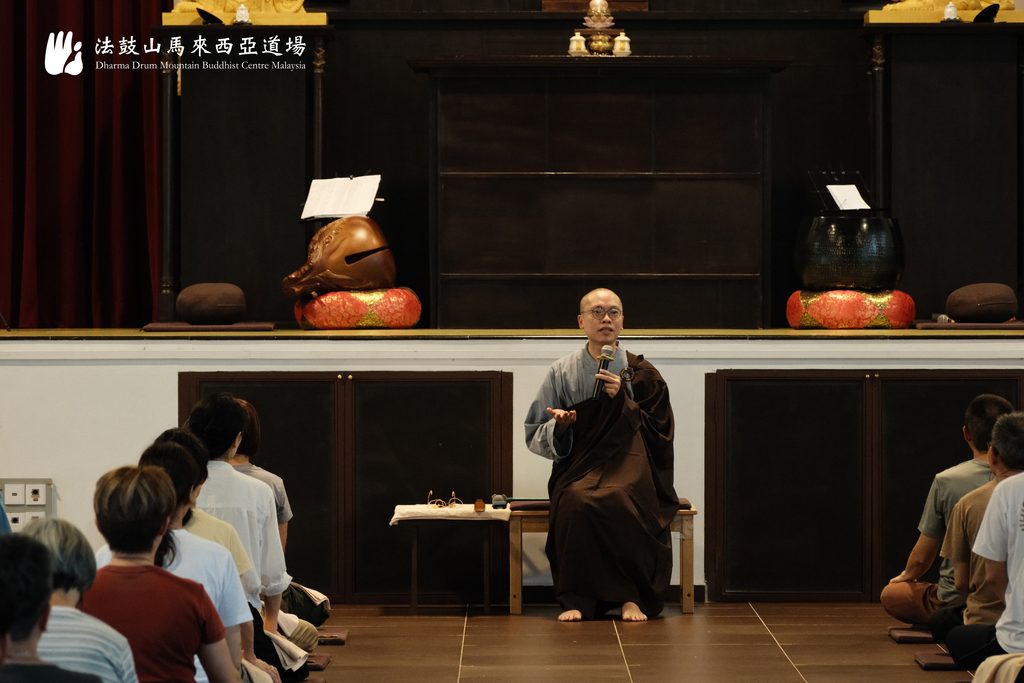
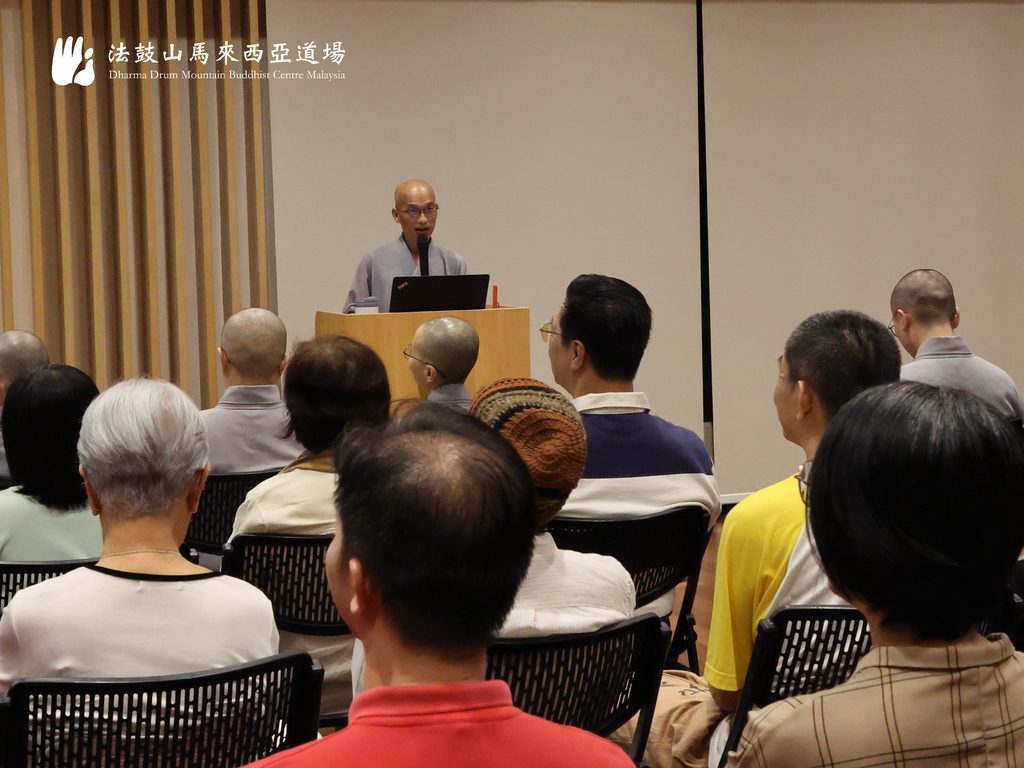
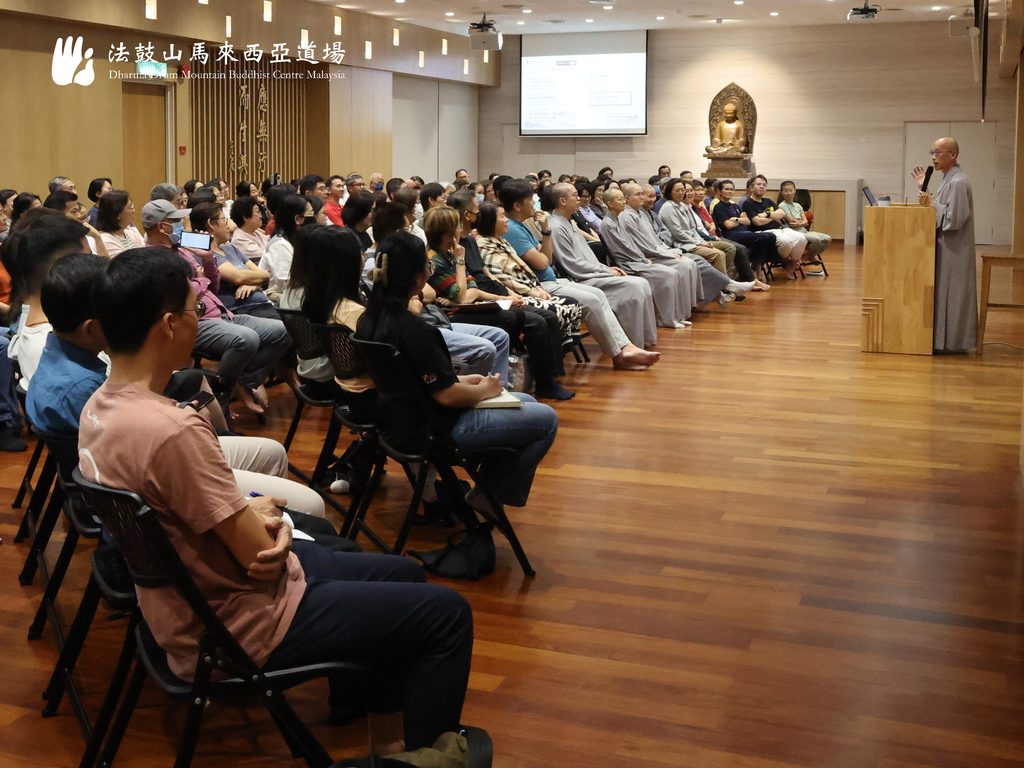
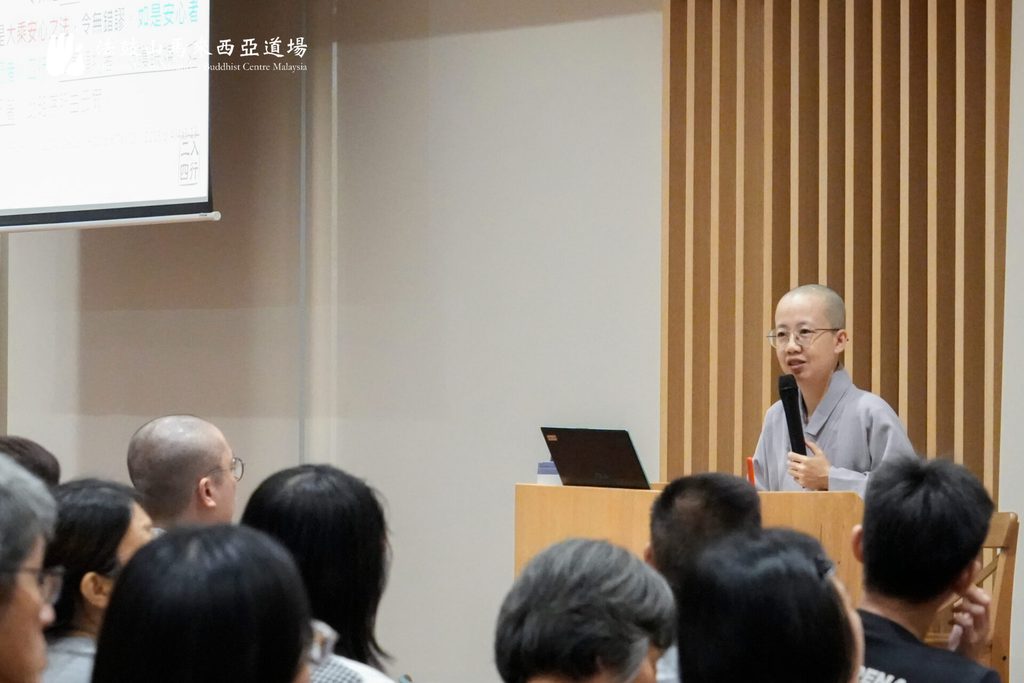
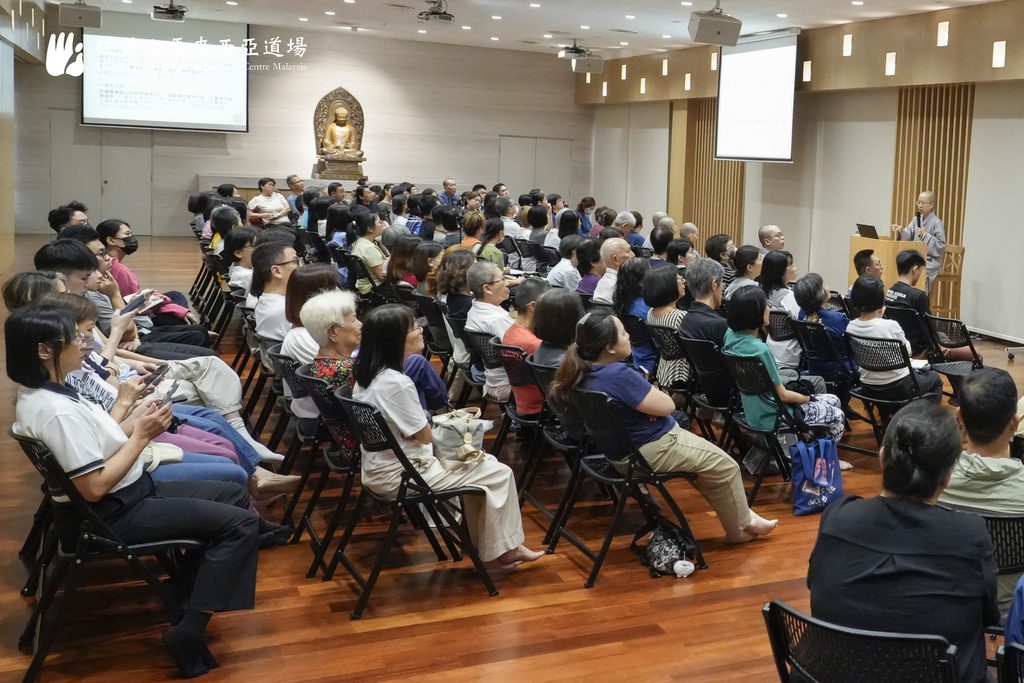
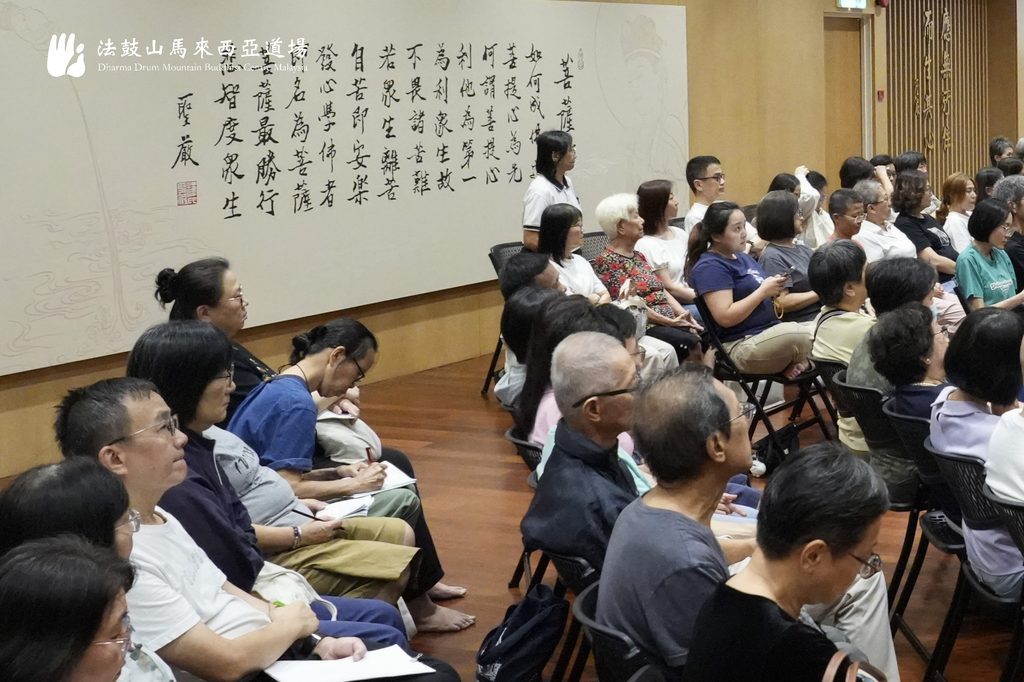
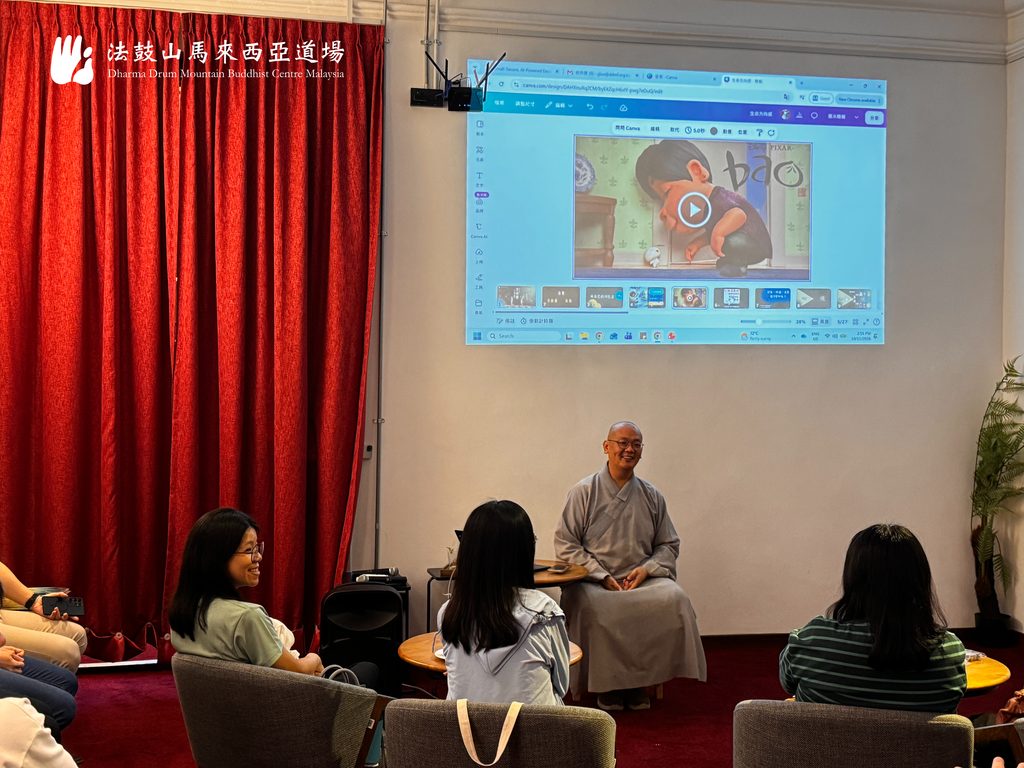
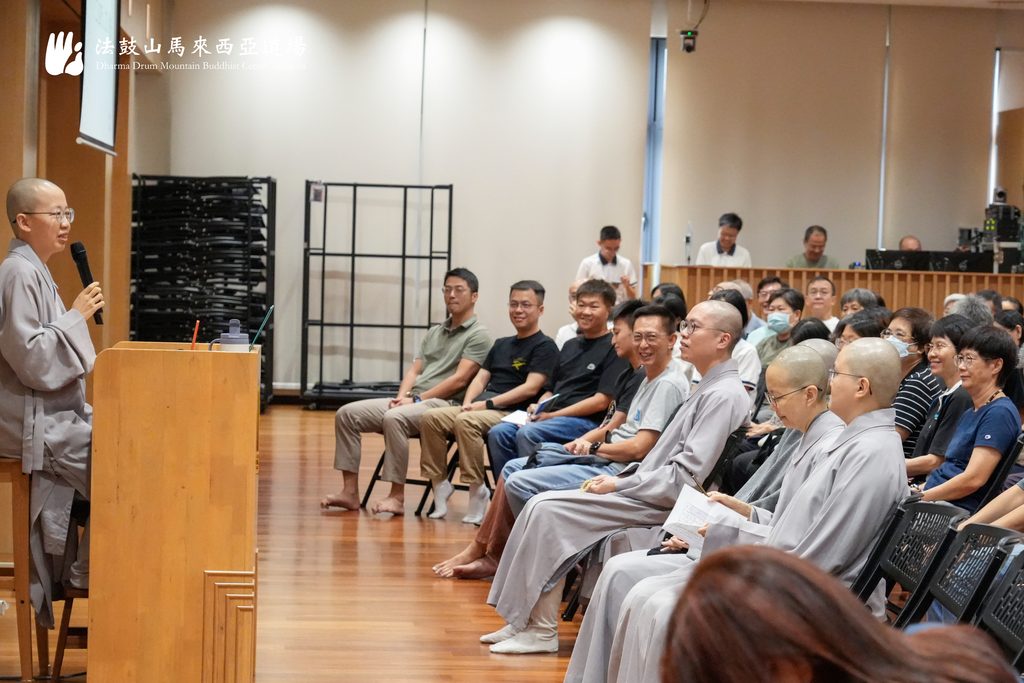
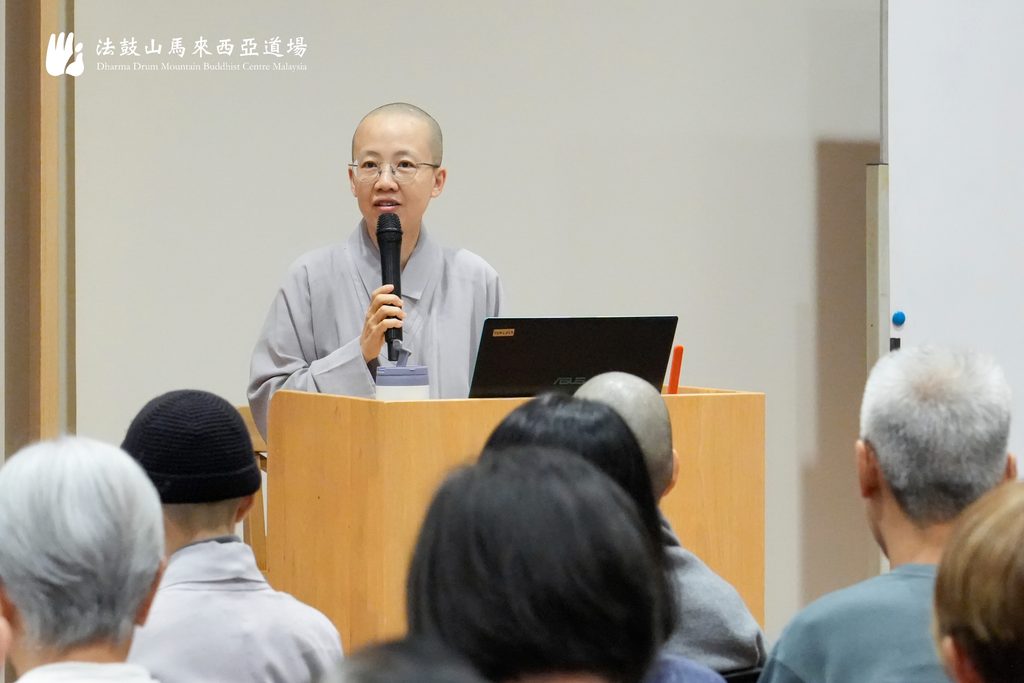
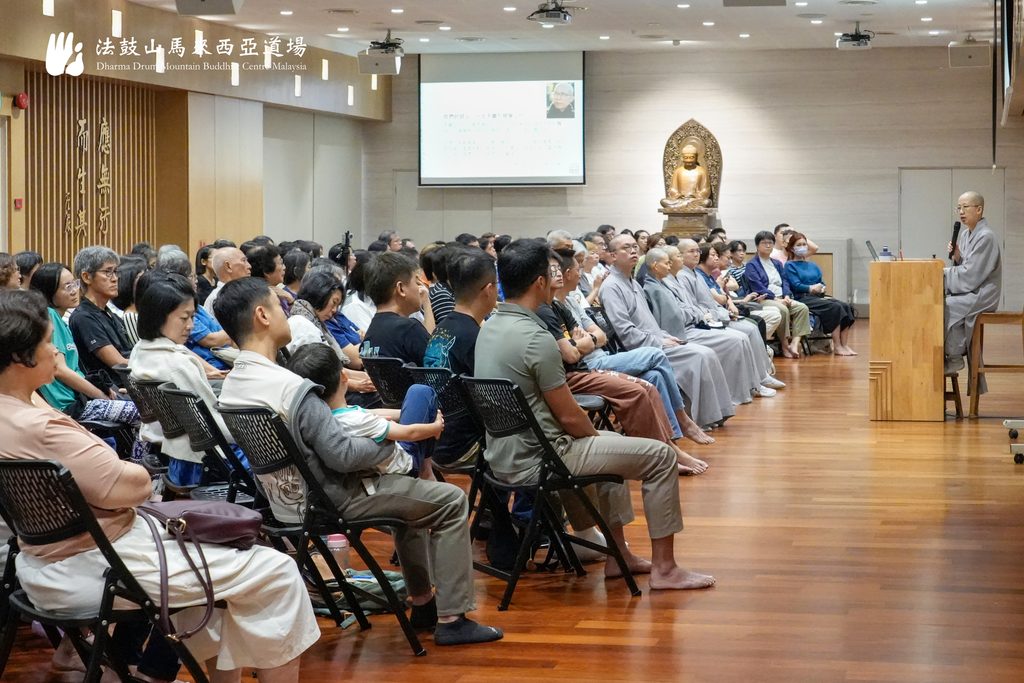
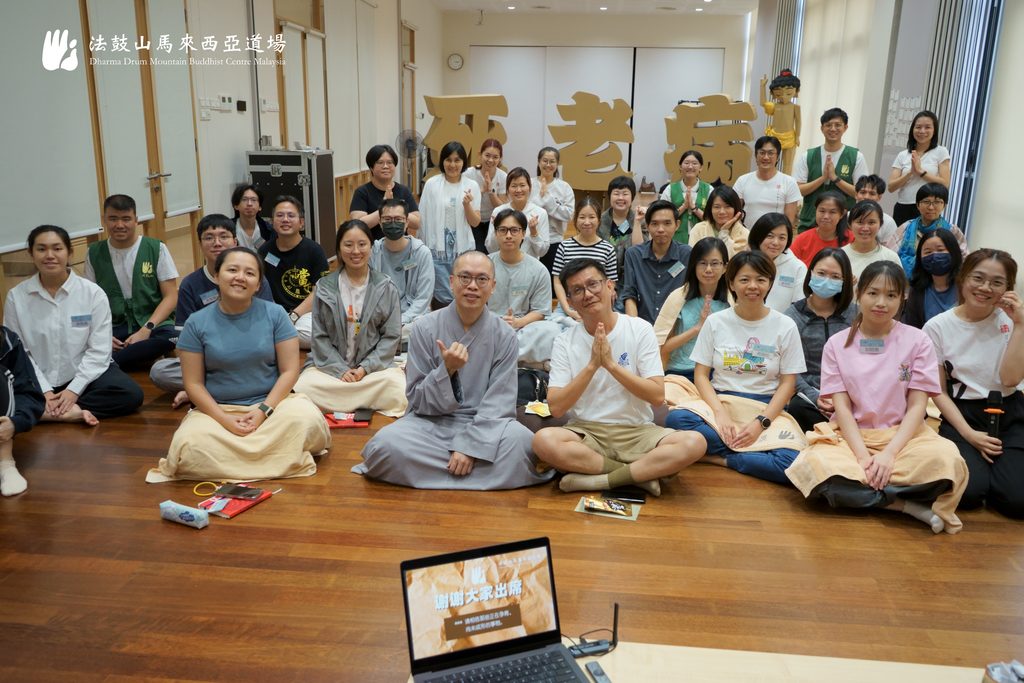
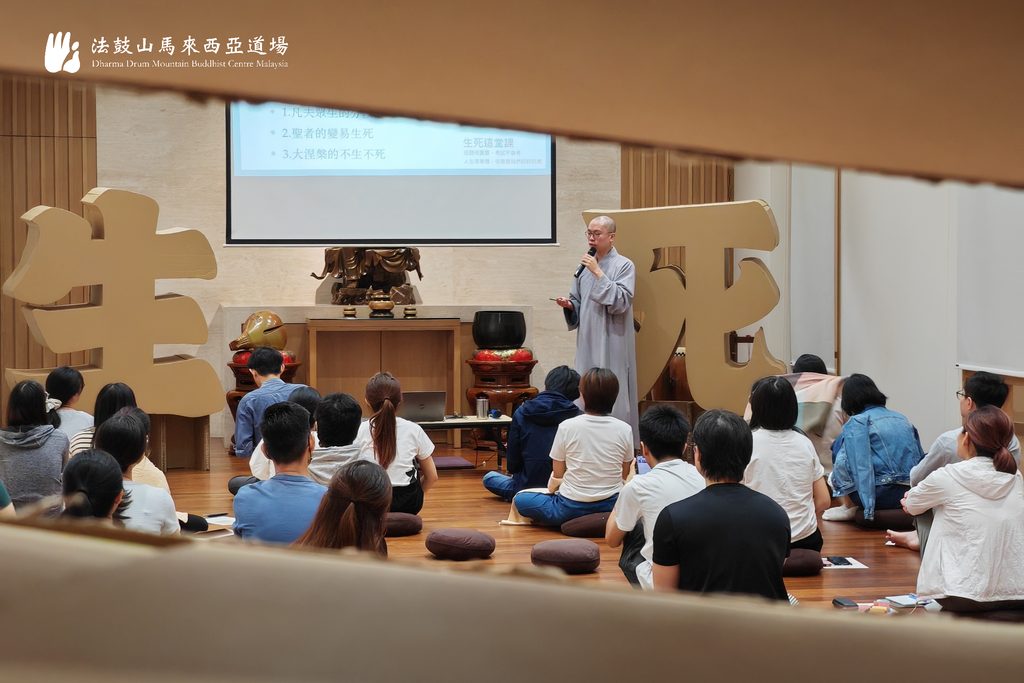
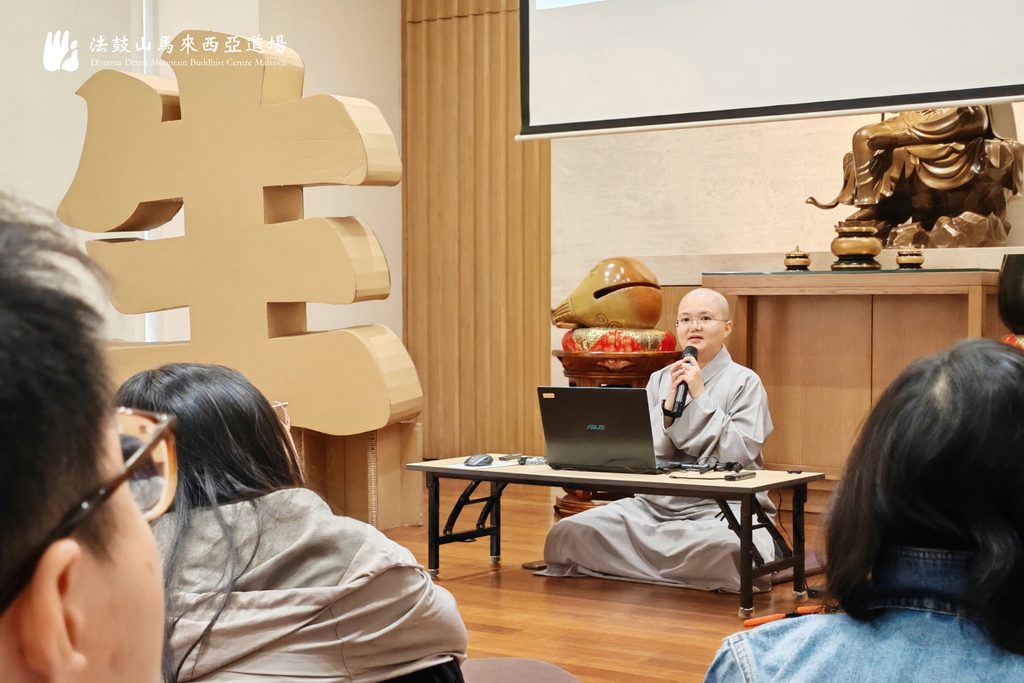
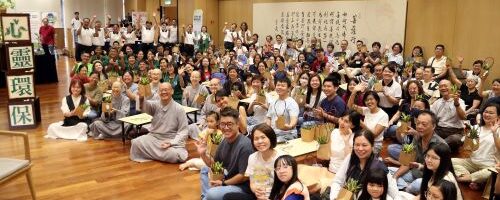
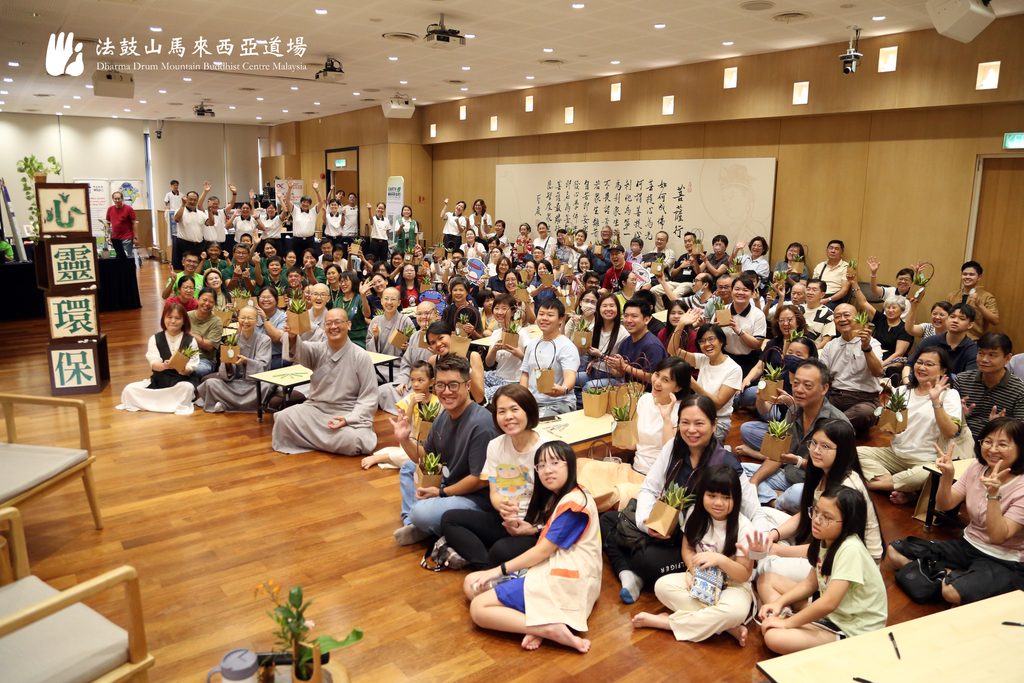
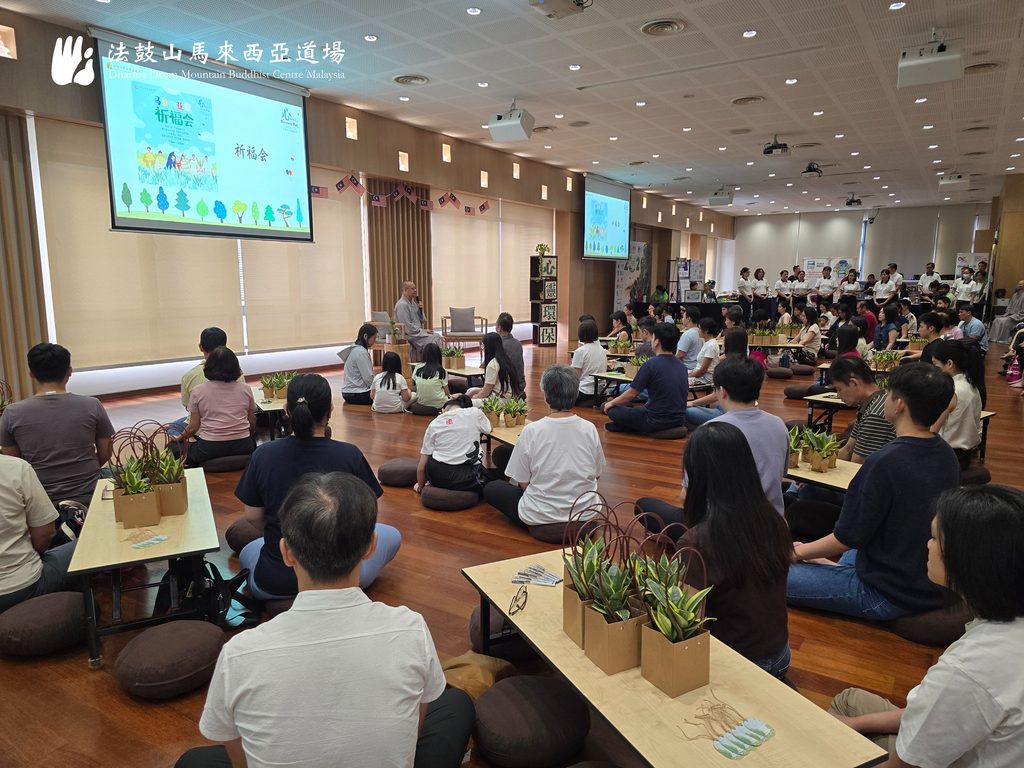
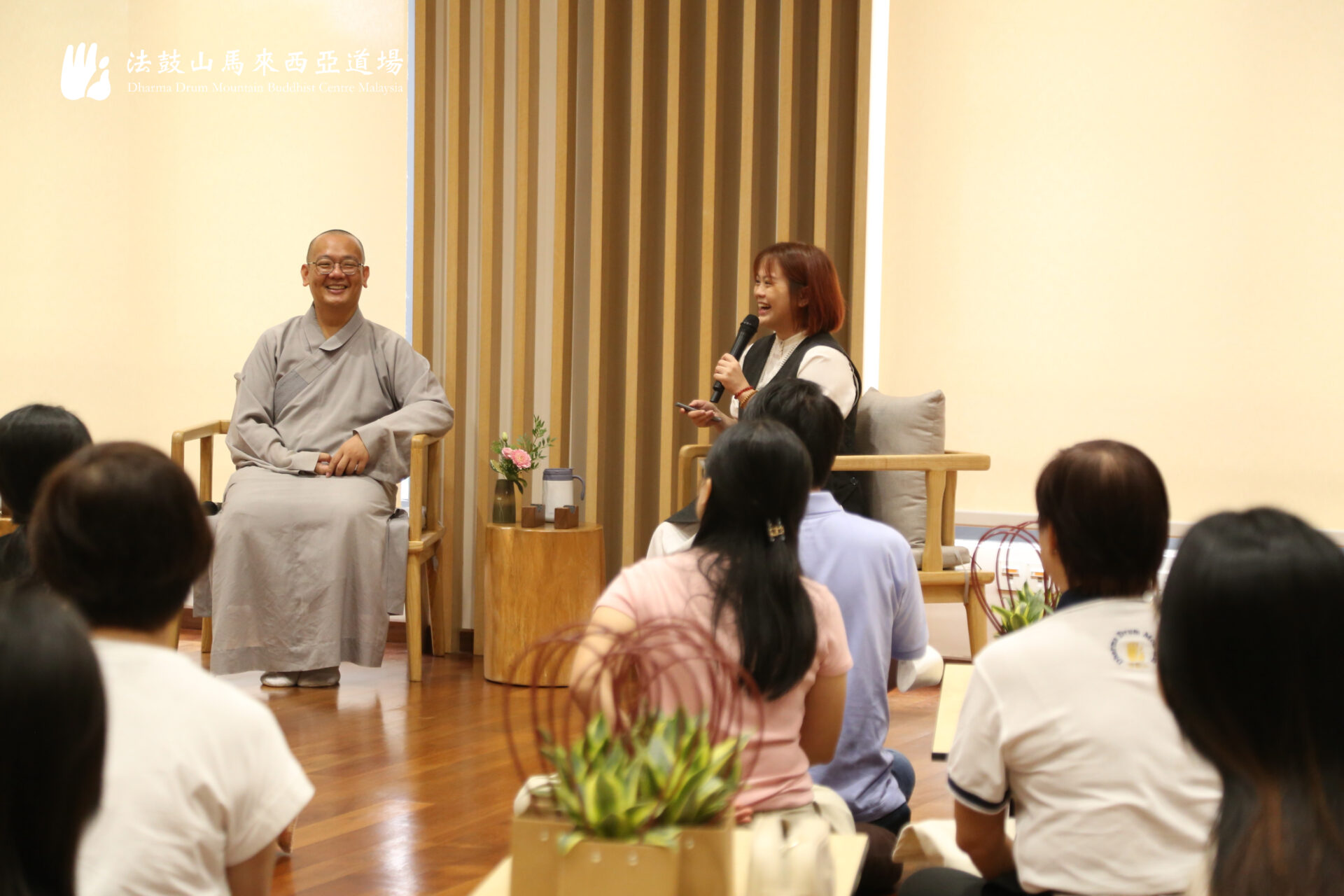
Messages keep coming. Work demands faster results and better performance. As expectations rise, the effort to keep up can leave us feeling unsettled. On 4 October, nearly 150 people attended a talk on “Two Entries and Four Practices” by Venerable Chang Zao, Director of Dharma Drum Mountain Buddhist Centre Malaysia. Beginning with the pressures of modern life, she invited the audience to turn their attention from the changing world around them to their own minds.
Returning to Our “Factory Settings”, Recognising Our True Nature
Venerable Chang Zao used “factory settings” as a metaphor for the Buddha-nature inherent in everyone. When work performance, other people’s opinions, or passing gains and losses consume our attention, our inner operating system can be thrown off balance. Much of our distress, she explained, arises from treating external appearances as fixed realities and letting self-centredness shape our responses. Practice begins with recognising and loosening these attachments, allowing the mind to remain clear and steady amid change.
This approach has its roots in the teachings of Bodhidharma, the first patriarch of Chan Buddhism. The treatise attributed to him, Two Entries and Four Practices, calls for deep faith that all sentient beings share the same true nature. Everyone possesses Buddha-nature, yet deluded thoughts and attachments obscure it, like dust covering what is already there.
To illustrate this, Venerable Chang Zao drew on “I Am a Miner,” in Dharma Drum Mountain founder Master Sheng Yen’s A Journey of Learning and Insight. Everyone has an inner treasure of wisdom and blessings. Those who have fully uncovered it are called Buddhas; those who have yet to do so are called sentient beings. Practice is like mining: it requires confidence in ourselves, together with sustained effort to uncover the treasure buried beneath our afflictions.
“Entry through principle” points to directly realising this original nature. Buddhist teachings help us develop understanding and confidence, while practice brings that understanding to direct experience. Venerable Chang Zao emphasised that although Chan is described as “not established on words and language,” the teachings remain essential guides. Drawing on Bodhidharma’s image of a mind that is steady like a wall, she explained how practice allows us to remain undisturbed by changing circumstances while staying alert, clearly aware, and able to respond with wisdom and compassion.
Putting the Dharma into Practice Through Life’s Ups and Downs
“Entry through practice” brings these teachings into everyday life through four specific methods. When facing adversity, “accepting karmic retribution” draws on an understanding of karmic cause and effect to help us meet suffering without resentment. We acknowledge the situation and work to improve what we can. Venerable Chang Zao connected this with Master Sheng Yen’s Four Steps for Handling a Problem: face it, accept it, deal with it, and let go of it.
When circumstances are favourable, “adapting to conditions” reminds us that our achievements depend on many causes and conditions, including the support and efforts of others. As these conditions change, so do our circumstances. We can appreciate opportunities and continue doing our best without becoming attached to gains and losses.
For “no seeking,” Venerable Chang Zao explained how contemplation of formlessness helps loosen the insistence that we must obtain a particular result. We continue to fulfil our responsibilities wholeheartedly, while letting go of attachment to personal gain, reward or attainment.
She related “union with the Dharma” to absolute contemplation and contemplation of the Middle Way. Grounded in the understanding that all phenomena are impermanent and lack an intrinsic self, this practice moves beyond self-referential judgements and attachments. It finds expression through the six paramitas (perfections), including giving and ethical conduct, as we respond to others’ needs without clinging to the idea of ourselves as benefactors. Together, Bodhidharma’s four practices help us move beyond habitual likes and dislikes, grasping and rejection, and realise our inherent Buddha-nature.
In Key to Chan, Master Sheng Yen explains that accepting karmic retribution and adapting to conditions can help us improve our lives with greater equanimity. Venerable Chang Zao encouraged the audience to bring this practice into work, family life, and relationships, using each encounter as an opportunity to observe the mind. Like miners patiently uncovering treasure, we allow our inherent wisdom and compassion to emerge through continued practice: observing the mind, releasing attachments, and benefiting others.





-1024x683.jpg)
-2-1024x683.jpg)
-1024x683.jpg)

-1024x683.jpg)